Introduction
Tax planning is among the most crucial components of operating a small business. Most business owners get so busy making money that they neglect proper tax planning, which can save substantial lawful cash. Tax planning doesn’t mean not paying tax, it means understanding the rules given by the government and availing all benefits in a tax-efficient manner.
Financial knowledge is increasingly becoming a necessity in current-day business. According to research, entrepreneurs with experience in taxation through online courses for accounting often know better what financial decisions should be made. This blog describes some simple, legal and practical ways for small businesses to reduce tax burden while remaining 100% compliant.
Understand Your Business Structure
How a business is registered is crucial in taxation. Different rules apply to sole proprietorships, partnerships and corporations. The best structure for you will depend on your income density and growth plans — tax liability optimization is also an option.
For instance, small businesses with moderate income could benefit from individual tax slab advantages, while growing businesses could potentially be better suited to company tax structures. An accounting academy near me can help entrepreneurs learn these differences to avoid expensive errors and plan well from the start.
Maintain Proper Financial Records
Keeping up-to-date records is one of the easiest and most powerful tax-saving habits. All business expenses, invoices, and payments will need to be recorded. In a tax filing, missed eligible expense misses out on moving expense deduction.
Thousands of deductions simply go unclaimed because of poor documentation that leads to higher taxes. Organised accounts also make audits easier and put less pressure on a stressful financial year-end.
Institutes such as rb perfect, an accounting institute located in Neelam Chowk, usually stress more towards practical bookkeeping because it helps to save taxes and makes finance transparent.
Claim All Eligible Business Expenses
Taxable income is legally lowered for small businesses by claims of legitimate business expenses. Generally, expenses directly attributable to business activities are deductible. This can consist of various things, such as rent for the interiors, electricity bills, internet fees, employee salaries and travel costs or professional services.
make sure that expenses are real and have bills or invoices to support the claim. Avoid mixing personal and business (financial) transactions to avoid complexities at tax filing time.
The best accounting courses near me provide entrepreneurs with the basics of accounting knowledge to manage their own expenses better and take legal deductions.
Use Depreciation Benefits
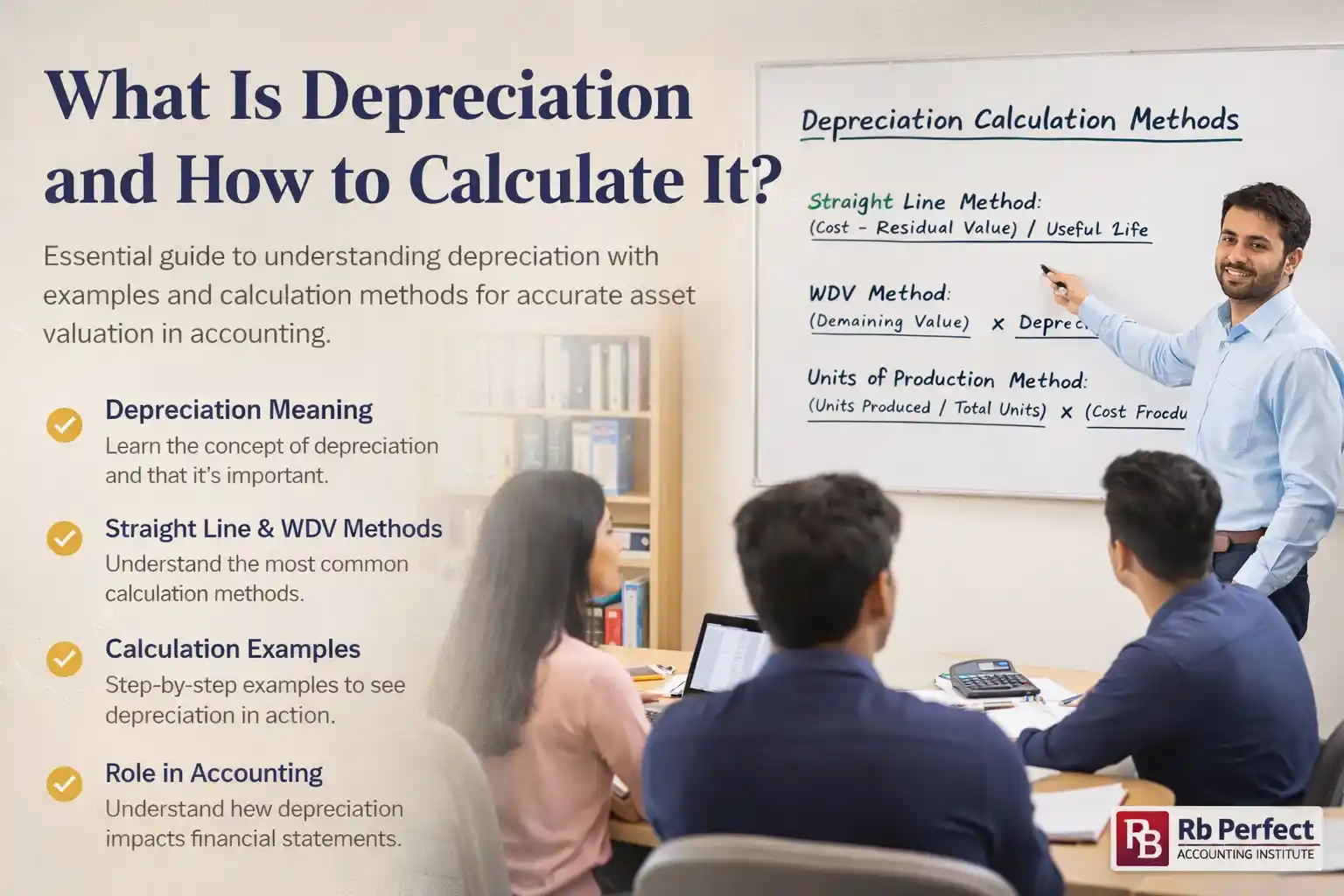
If your business owns equipment, computers, furniture and vehicles that are used in the course of business this depreciation can be used to reduce taxable profit. By contrast, depreciation spreads the cost of tangible property over a number of years (instead of taking a one-time deduction for all the costs in the same year).
It lowers taxable income every year, yielding long-term tax advantages. However, many small business owners overlook depreciation because they don’t understand how it works. These concepts can greatly change the overall outlook of tax planning, and learning these from some accounting institute near me will help.
Separate Personal and Business Finances
Many small business owners combine personal and business transactions into one bank account. Such practice makes accounting cloudy and can lead to missed deductions or tax blunders.
Having separate accounts helps in tracking expense clearer and also improves financial discipline. It also simplifies the accounting process of preparing precise financial statements and tax reports.
Having clear separation of funds is a small step that makes a huge difference in tax management and financial clarity.
Invest in Tax-Saving Options
Investing in government qualified schemes or financial instruments are available to small business owners to save tax as the taxation laws provide exemption under such cases. Well-planned investments not only save your tax but also help in building a lifelong wealth creation strategy.
But investment decisions have to be in line with the business cash flow. Investing only to save tax can add stress to finances later. This is another reason why many learners enroll in an accounting academy near me to learn practical financial decision-making skills because they understand balance and planning are as important.
File Taxes on Time
Filing your taxes late incurs penalties and interest charges which makes them an unintended cost. Filing on time means you’re compliant and won’t make any last minute mistakes.
Making it through the year with your accounts helps the filing process immensely and stops you from having to scramble at the last minute. Small businesses that keep their accounting records on a monthly basis tend to have fewer tax issues.
Institutes like RB Perfect guide students on practical accounting processes as they assist businesses to remain organized and compliant.
Take Professional Guidance When Needed
Tax rules change regularly — and not every business owner can keep track of every single update. Making an expensive mistake can be avoided by hiring a professional accountant or understanding the basics of tax.
With that in mind, the entrepreneurs search for the best accounting courses near me since learning about accounting and taxation can help you speak better with professionals as well as make wiser decisions on your own.
Final Thoughts
Tax saving is all about planning, knowledge and the right approach toward investing. Simple yet effective small business strategies include; keeping records, claiming legitimate expenses, using depreciation, investing prudently and ensuring timely tax filings.
Taxes become manageable as years go by, and that’s simply because the business owner has taken the time to learn a few basic things about accounting (which is not very irreverent) PhD offered through an accounting institute near me or even professional practical training programs such as in service.
Tax planning is the key to building a long-term financial plan that moves beyond simply reducing liability. As long as you have the right knowledge and habits in place, small businesses can save a fortune legally without having to worry and be stress free about being compliant.