Top Accounting Skills Employers Will Be Seeking in 2026
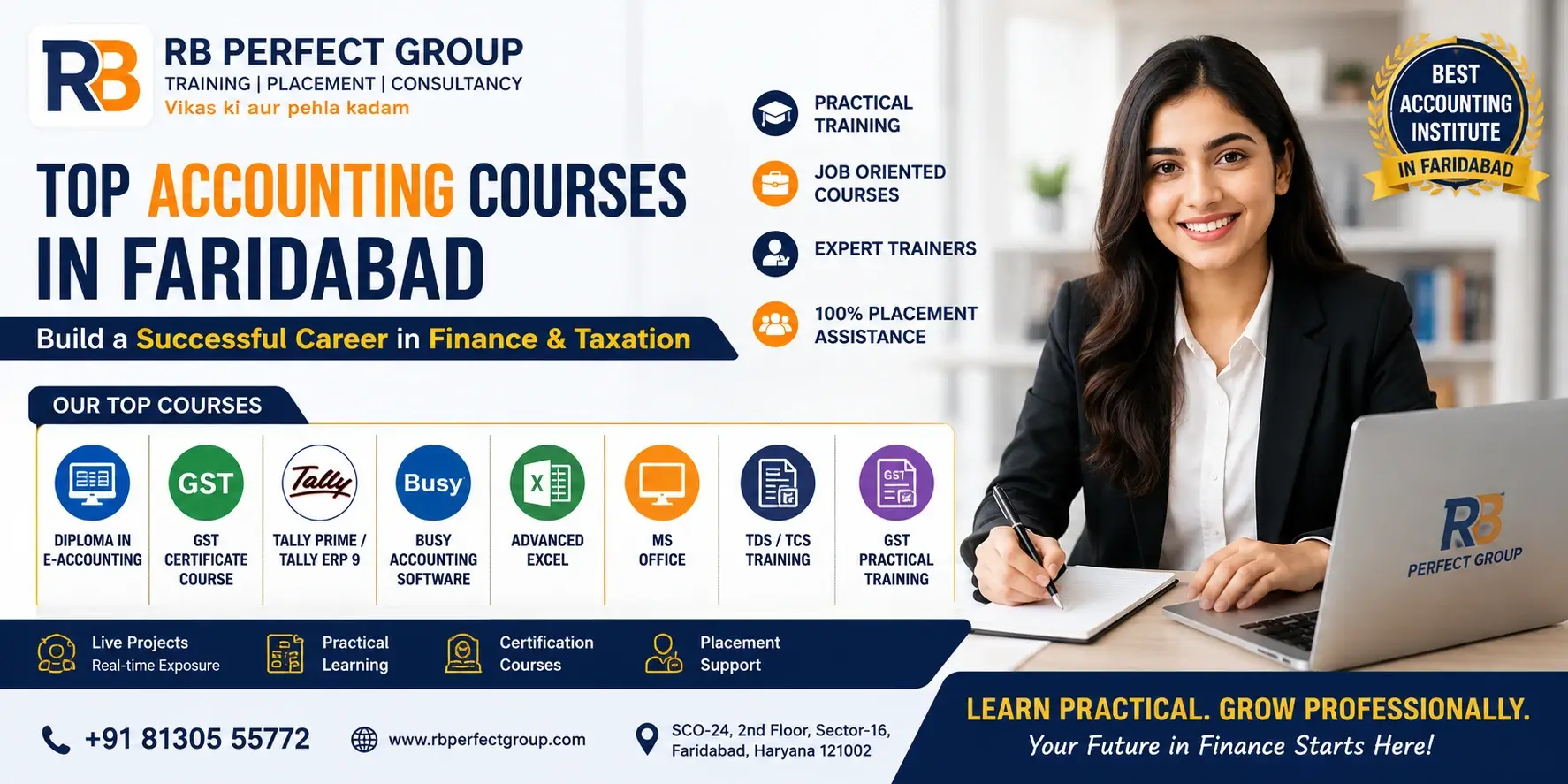
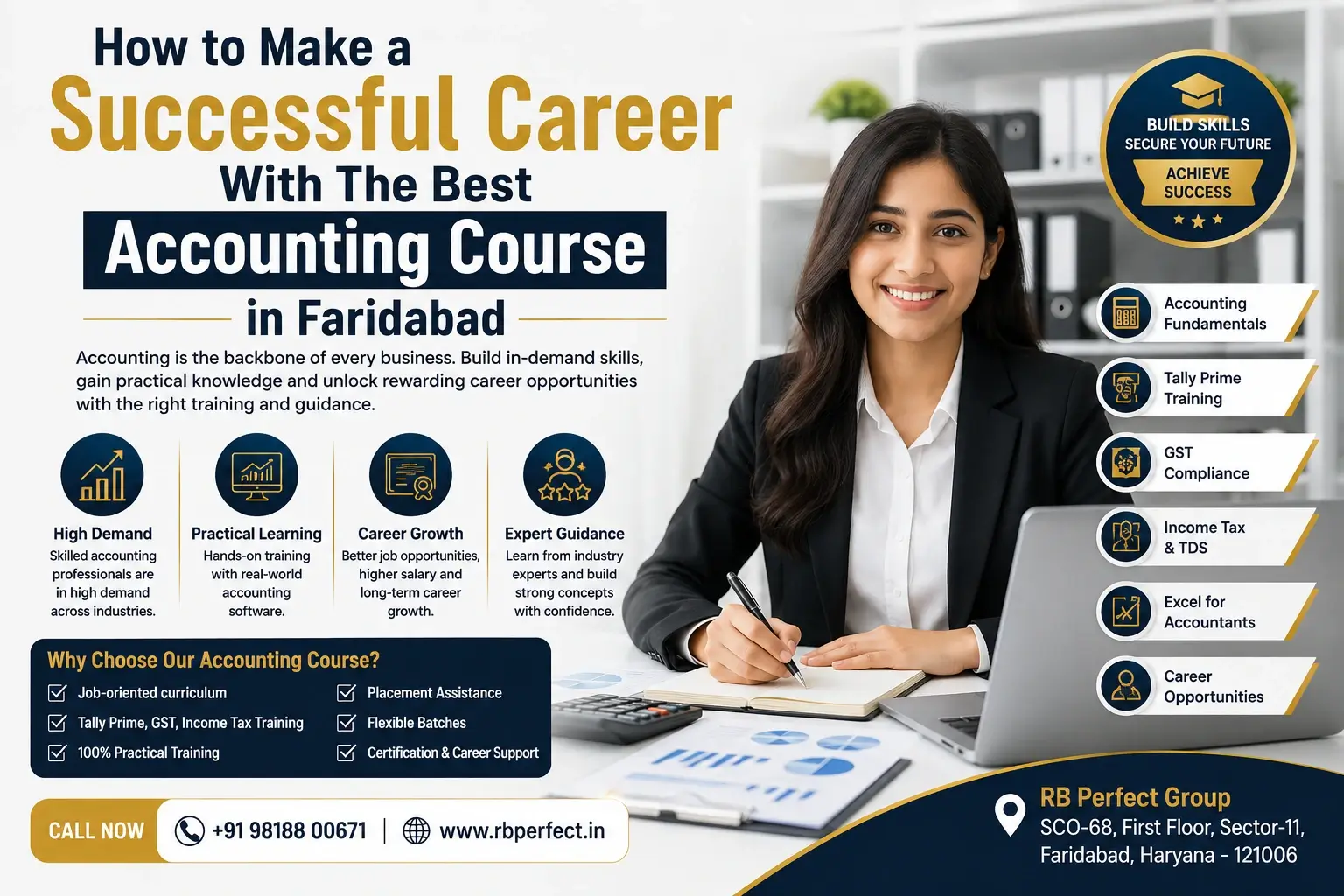
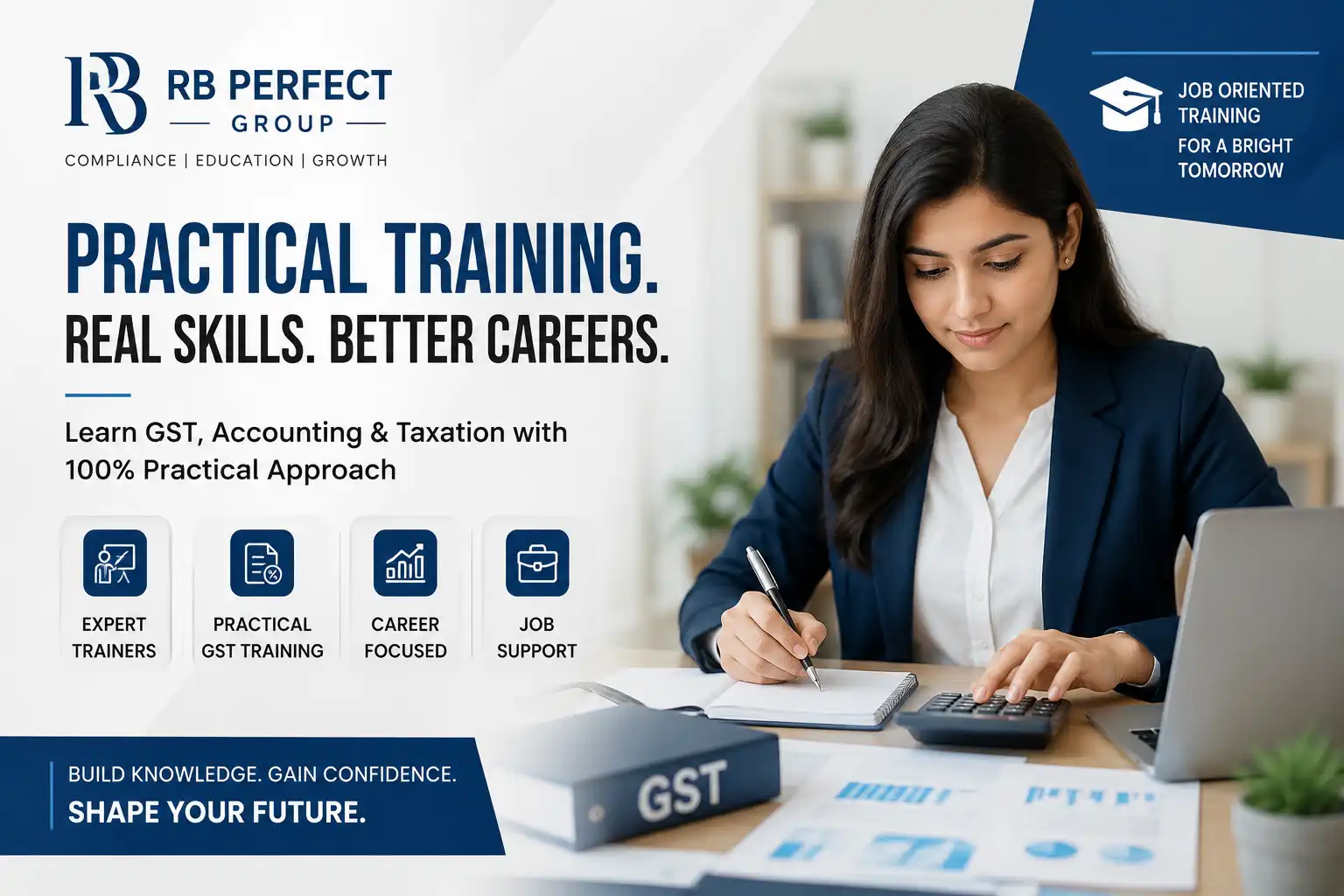
The accounting industry is evolving quickly as companies implement more digital systems, automation and additional regulatory requirements. By 2026, employers will require accountants to come in with more than a familiarity with basic bookkeeping. There will be a focus on real world experience, flexibility and technology-based skills for accountants of the future. “I think, for students and young professionals who are going to be establishing their careers in the future, you have to see what these emerging expectations are. Training programs at RB Perfect are crafted with these prospective employer expectations in mind.
Solid Grounding in Fundamentals of Accounting
Strong knowledge of the foundational elements of accounting is just as important this year as it will be 10 years from now. Fundamentals such as the understanding of journal entries, posting to ledgers, trial balances, Candidates who know the logic behind accounting are leads over others in interviews and on-the-job.
Firms want someone who could tell them why a transaction is booked the way it is, not just push buttons based on what tax ough ta do software tells you to press. Such base clarity means the new tools and systems come naturally: there is no confusion.
Expert Level of GST and Its Compliance
Tax will continue to be one of the most important skills in which accounting professionals must be proficient. By 2026, firms will require accountants who can handle GST returns, TDS compliance, income tax filings and notices independently. Employers are seeking candidates who understand filing deadlines, compliance regulations and procedures for correcting errors.
When professionals can confidently handle their tax responsibilities without relying on external consultants, they become very attractive to employers. Hands on experience in live GST portals and tax workflows provides an upper hand to the candidates in job interviews.
Accounting Software and Automation Tools Mastery
It won’t be optional to know how to code. Employers in 2026 will require professionals who are experts in accounting software like Tally, cloud-based systems and Excel-driven reporting tools. Now, knowing ones and zeros such as bank reconciliation, invoice processing but also company compliance alerts is more necessary than ever.
Offices are looking to hire people who have operated the software, so having that experience beforehand can help get you up to speed quicker in a workplace. Employers typically conduct software-use tests on candidates during interviews, so hands-on experience often leads to a new job.
Strong written and Data handling skills
Accountants in 2026 will still need to be proficient with Excel. Workplaces expect professionals to know how to handle data effectively with formulas* pivot tables* financial reports and reconciliation sheets. Accountants who are skilled in crunching big data and generating accurate financial summaries will add even more value to companies.
Aside from data input, potential employers will be looking for candidates who can analyse financial information and assist in the decision making process by providing robust reporting.
Knowledge of Financial Reporting and Compliance Guidelines
The Employers of 2026 Will Seek Accountants Who Comprehend Statutory Compliance and Financial Reporting Standards. Skills required will be familiarity with balance sheet generation, profit and loss review, audit needs, regulatory documentation etc.
Professionals that appropriately ‘get’ what is expected around compliance manage and diminish the legal risks of businesses. Employers prefer applicants who are able to keep accurate records and prepare documents for audits with little or no guidance.
Flexibility to Digital & Cloud Based Accounting
The growing acceptance of cloud accounting means that employers will be looking for people who can work with the latest digital systems. Remote availability of data Real Data Integration The ability to work remotely in Accounting Automation in Reporting Accountants who can work in a digital environment will be highly sought after.
More importantly, an openness to learn and integrate new platforms, like AI, IoT or SaaS-based technologies are lower level indicators of a candidate’s fit for future accounting roles. Employers appreciate those who are open to learning and growing with the technologies.
Communication and Client Handling Skills
Accounting positions in 2026 will demand greater client/client management/regulatory interaction than ever before. Employers want somebody who can present financial data in a clear format, answer client questions with confidence and use the telephone to communicate professionally.
Accountants who can understand the technical side and communicate effectively may move up more quickly. Employers appreciate candidates who can interpret complicated financial data in a readable manner.
Problem-Solving and Analytical Thinking
2026 EMPLOYER EXPECTATIONS Employers in 2026 will require accountants to spot errors, reconcile differences and recommend process improvements. Critical thinking and analytical skills allow you to manage and overcome issues that you encounter working in accounting.
Candidates who can be “seen” [to have a] thought process appear less theoretical than those with abstract knowledge.
Ethical Awareness and Professional Responsibility
In 2026, ethics and data privacy will be key employer expectations. Accountants have access to sensitive financial information, and employers want a candidate that recognizes ethical obligations and limits of compliance.
Responsibility begets responsibility: Those who show integrity, truthfulness and accountability get assigned greater tasks. Ethical sensibility is something that employers tend to scrutinise during job-interviews and probationary employment phases.
How Accounting Training Will Prepare You for 2026 Careers
Professional accounting education fills the void between school and practical working conditions. Students at RB Perfect have a practical experience on software, compliance for real business case and interview which will be what employers would look for.
Practical-based education enables students to be not just job ready today, but also to address evolving roles in accounting in 2026 and beyond.
Final Thoughts
The accounting skills that employers will require in 2026 demonstrate a movement toward real-world capabilities, technical agility and confidence in their profession. Students who pursue future-focused accounting education get a leg up in the job market. Accounting professionals can pursue secure, growth-oriented careers across a wide range of industries with the right skill set.